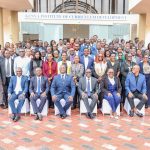
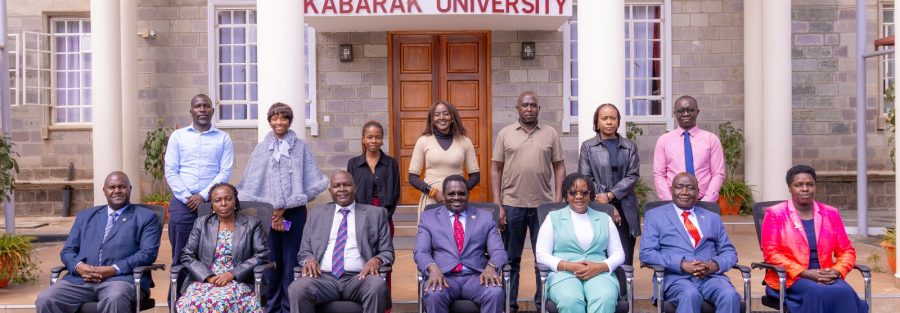
Kabarak, Nakuru County | 23–25 September 2026: The Kenya National Qualifications Authority (KNQA) is undertaking a three-day capacity-building workshop at Kabarak University from 23rd to 25th September 2026, aimed at strengthening the institution’s capacity in qualifications management and implementation of the Kenya National Qualifications Framework (KNQF).
The workshop is graced by the KNQA Council Chair, Hon. Stanley Kiptis, with Director Dr. Winnie Bulimo, representing the Director General/CEO, leading a team of officers from the Registration & Accreditation and National Qualifications Database (NQD) departments.
The engagement focuses on supporting Kabarak University through the process of registration as a Qualification Awarding Body (QAB) and facilitating the registration of its programmes, qualifications and graduate records on the National Qualifications Database (NQD), in line with the requirements of the KNQF.
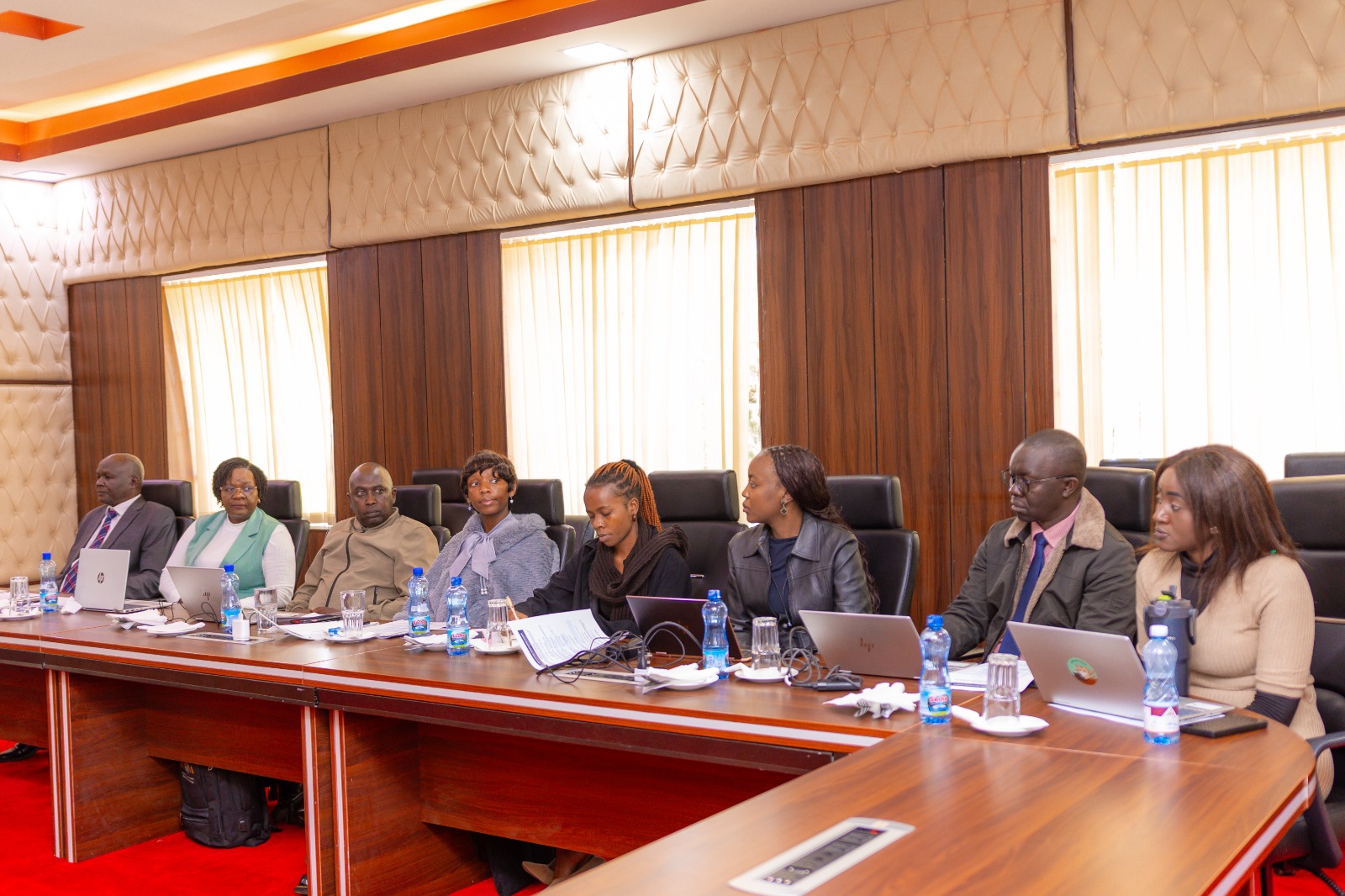
The engagement has so far resulted in significant progress, with 71 programmes across seven schools at Kabarak University registered as national qualifications.
The registered programmes are distributed across the following schools:
| School | Registered Programmes |
|---|---|
| School of Business and Economics | 18 |
| School of Law | 1 |
| School of Pharmacy | 3 |
| School of Medicine | 9 |
| School of Music and Media | 11 |
| School of Education | 12 |
| School of Science, Engineering and Technology | 17 |
| Total | 71 |
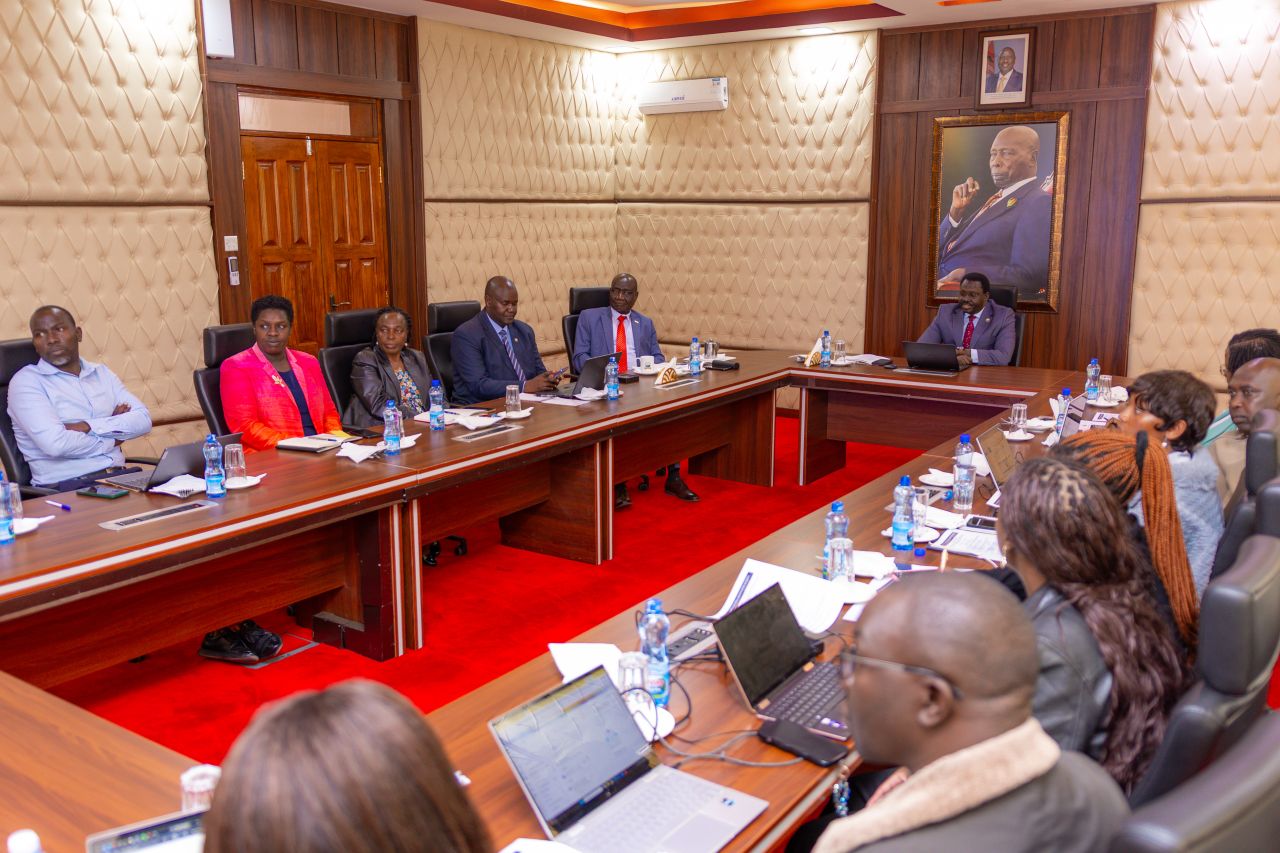
The programmes span diverse areas of academic and professional training, reflecting the breadth of qualifications offered by the institution and their contribution to Kenya’s skills development ecosystem.
The registration of qualifications on the NQD is an important step towards strengthening the integrity, visibility, recognition and portability of qualifications within Kenya’s national qualifications system. Through the NQD, KNQA supports the establishment of a reliable national record of qualifications and graduate achievements, contributing to improved verification and recognition of qualifications by employers, institutions, regulators and other authorised stakeholders.
The process also supports alignment of institutional qualifications with the Kenya National Qualifications Framework, which provides a common reference for classifying and understanding qualifications and learning outcomes across Kenya’s education and training system.
The capacity-building engagement therefore provides an opportunity for KNQA and Kabarak University to work closely on ensuring that institutional processes, programmes and graduate records are appropriately captured within the national qualifications architecture. This also emphasizes KNQA’s commitment to working collaboratively with Qualification Awarding Bodies to enhance compliance, quality assurance and effective implementation of the KNQF.
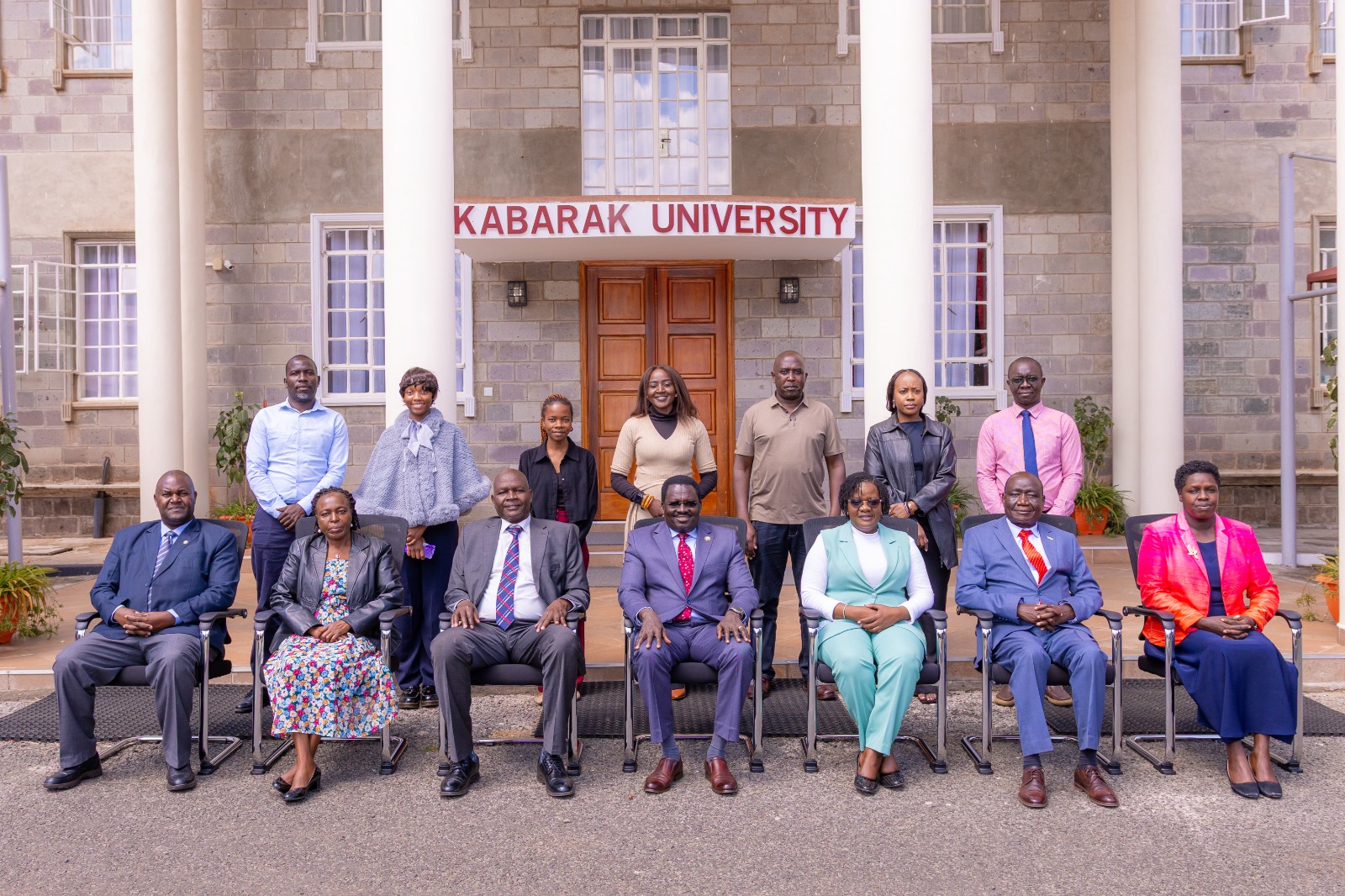
The support that KNQA provides institutions to understand and effectively implement national qualifications management requirements continues to promote a qualifications system anchored on quality, credibility, transparency and recognition.
The engagement at Kabarak University is part of broader efforts to strengthen collaboration between KNQA and institutions offering education and training, ensuring that qualifications earned by learners are appropriately recognised and documented within the national system.
As the workshop continues, the KNQA team will work with Kabarak University to advance the registration of the institution as a Qualification Awarding Body and support the continued registration of programmes, qualifications and graduate records on the NQD.