

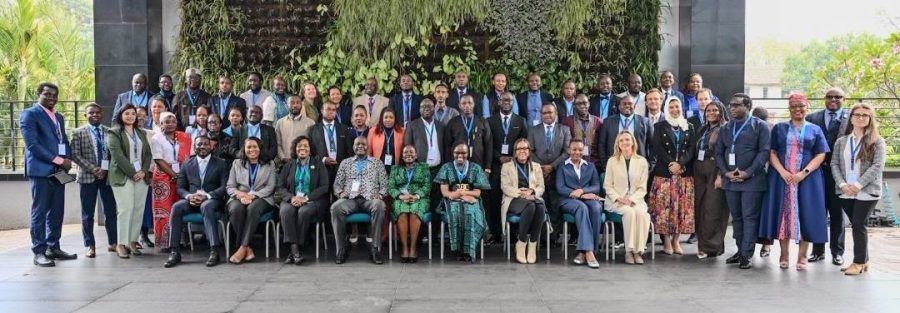
The Kenya National Qualifications Authority (KNQA) successfully hosted the 7th African Continental Qualifications Framework (ACQF) Forum in Nairobi from 28–30 July 2026. The Forum brought together qualifications authorities, policymakers, Regional Economic Communities, development partners, government officials and education experts from across the continent under the theme, “Building Future-Ready Qualifications Systems for Africa.”
The three-day Forum marked a significant milestone in Africa’s journey towards building trusted, transparent and harmonised qualifications systems that support labour mobility, lifelong learning and regional integration.
Forum Opening
The Forum was officially opened by Dr. Esther Thaara Muoria, CBS, Principal Secretary for the State Department for Technical, Vocational Education and Training (TVET), on behalf of the Cabinet Secretary for Education. In her keynote address, she reaffirmed Kenya’s commitment to strengthening the Kenya National Qualifications Framework (KNQF) as a catalyst for industrialisation, skills recognition and sustainable development. She also invited delegates to experience Kenya’s “Education Safari” by visiting institutions across the country’s education and training ecosystem to witness the transformation of learners through quality education and skills development.
The opening session was chaired by Dr. Alice Kande, PhD, Director General/Chief Executive Officer of KNQA, in her capacity as part of the ACQF Presidency comprising of Kenya, SOuth Africa, and Zambia. She welcomed delegates and stressed the importance of continental collaboration in transforming qualifications from policy aspirations into practical tools for economic integration and workforce mobility. The delegates were also addressed by KNQA Chairperson Hon. Stanley Kiptis and Vice Chairperson Jacqueline Mugo, while representatives from the African Union Commission and the European Union also reaffirmed their continued commitment to advancing qualifications recognition across Africa.
Day One
Technical discussions focused on the progress of the ACQF-II Project, green skills, micro-credentials, and the official launch of the Qualifications and Credentials Platform (QCP), while delegates also explored multi-country occupational profiles to support labour mobility.
Day Two
Sessions featured the presentation and endorsement of ACQF Referencing Reports, strengthening trust, comparability and recognition of qualifications across borders while promoting collaboration through the World Café Open Plenary.
Day Three
Deliberations focused on the sustainability, governance, financing and institutionalisation of the ACQF Network together with priorities for the ACQF Roadmap 2026–2027.
Technical discussions during the first day focused on the progress of the ACQF-II Project, the promotion of green skills and qualifications, and policy approaches to emerging areas such as micro-credentials. A major highlight was the official launch of the Qualifications and Credentials Platform (QCP), a continental digital platform that will enhance the transparency and verification of qualifications across Africa. Delegates also explored the development of common multi-country occupational profiles to support labour mobility and mutual recognition of skills.
Day Two shifted the conversation from policy to implementation. Chaired by Ms. Nadia Starr, Chief Executive Officer of the South African Qualifications Authority (SAQA), the sessions featured the presentation and endorsement of ACQF Referencing Reports by National Qualifications Authorities from across Africa. This landmark achievement marked the operationalisation of the ACQF by enabling national qualifications frameworks to be referenced against a common continental framework, thereby strengthening trust, comparability and recognition of qualifications across borders.
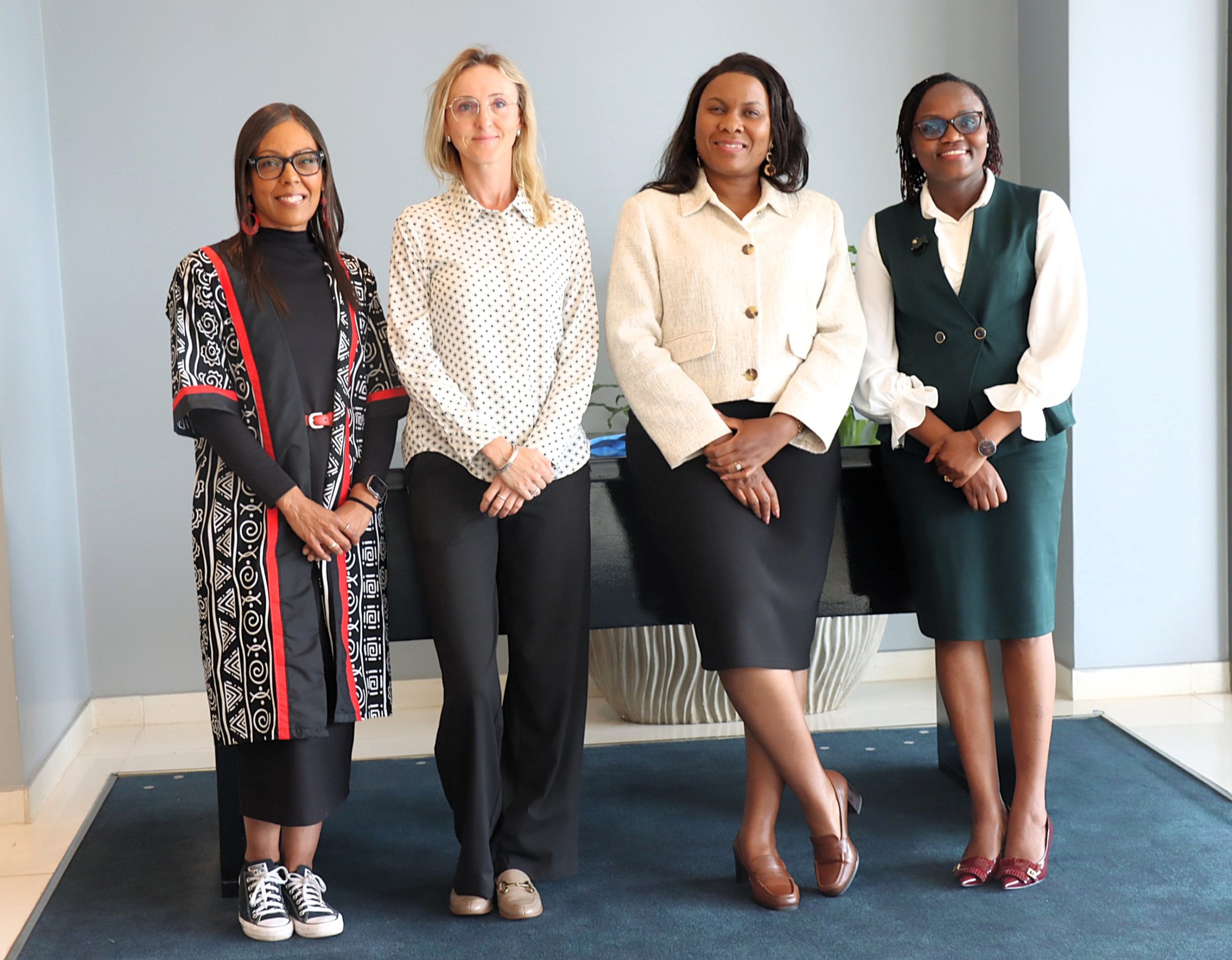
The World Café Open Plenary further facilitated knowledge sharing through updates from the ACQF Technical Clusters. Discussions explored the role of digitalisation and the Qualifications and Credentials Platform in improving qualifications verification, advances in National Qualifications Frameworks, Recognition of Prior Learning (RPL), Credit Accumulation and Transfer Systems (CATS), and quality assurance, as well as the importance of collaboration, communication and peer learning in advancing qualifications reforms across the continent.
The Forum concluded on Day Three under the chair of Ms. Mercy Ngoma, Chief Executive Officer of the Zambia Qualifications Authority (ZAQA), with deliberations focusing on the long-term sustainability, governance, finance and institutionalisation of the ACQF Network. Delegates considered financial and legal frameworks to support the Network’s grounding and continued growth, while identifying strategic priorities for the ACQF Roadmap 2026–2027, including sustainable financing, strengthened member participation and enhanced continental collaboration.
KNQA conveyed its sincere appreciation to the European Training Foundation (ETF) for its steadfast technical partnership in supporting the development of the ACQF over the years and acknowledged the African Union Commission for its continued political leadership and technical guidance in driving the continental initiative towards an African-led and sustainable network.
Beyond the conference sessions, delegates enjoyed a visit to Nairobi National Park, experiencing Kenya’s unique wildlife and hospitality while strengthening professional networks in an informal setting.
As the curtains closed on the 7th ACQF Forum, one message emerged clearly: Africa is building qualifications systems that are portable and responsive to the demands of a rapidly evolving world. Through strengthened collaboration and sustained commitment, the continent is laying the foundation for greater workforce mobility, lifelong learning and shared economic prosperity.