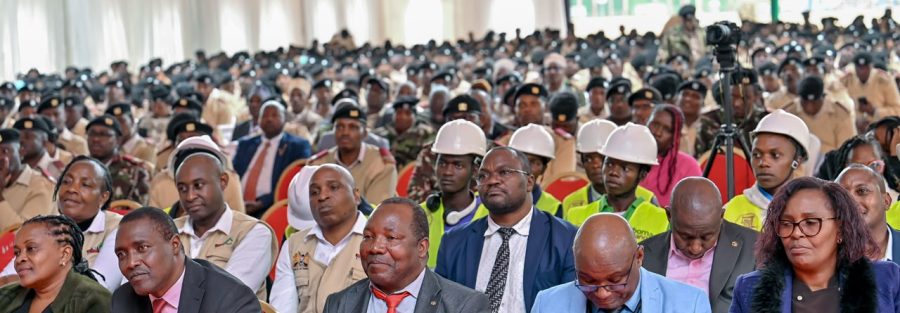
The Kenya National Qualifications Authority (KNQA) has called on National Government Administrative Officers (NGAOs) to become strategic ambassadors for Technical and Vocational Education and Training (TVET), skills recognition and lifelong learning as part of the Government’s efforts to build a skilled workforce that supports Kenya’s socio-economic transformation.
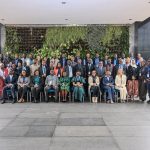
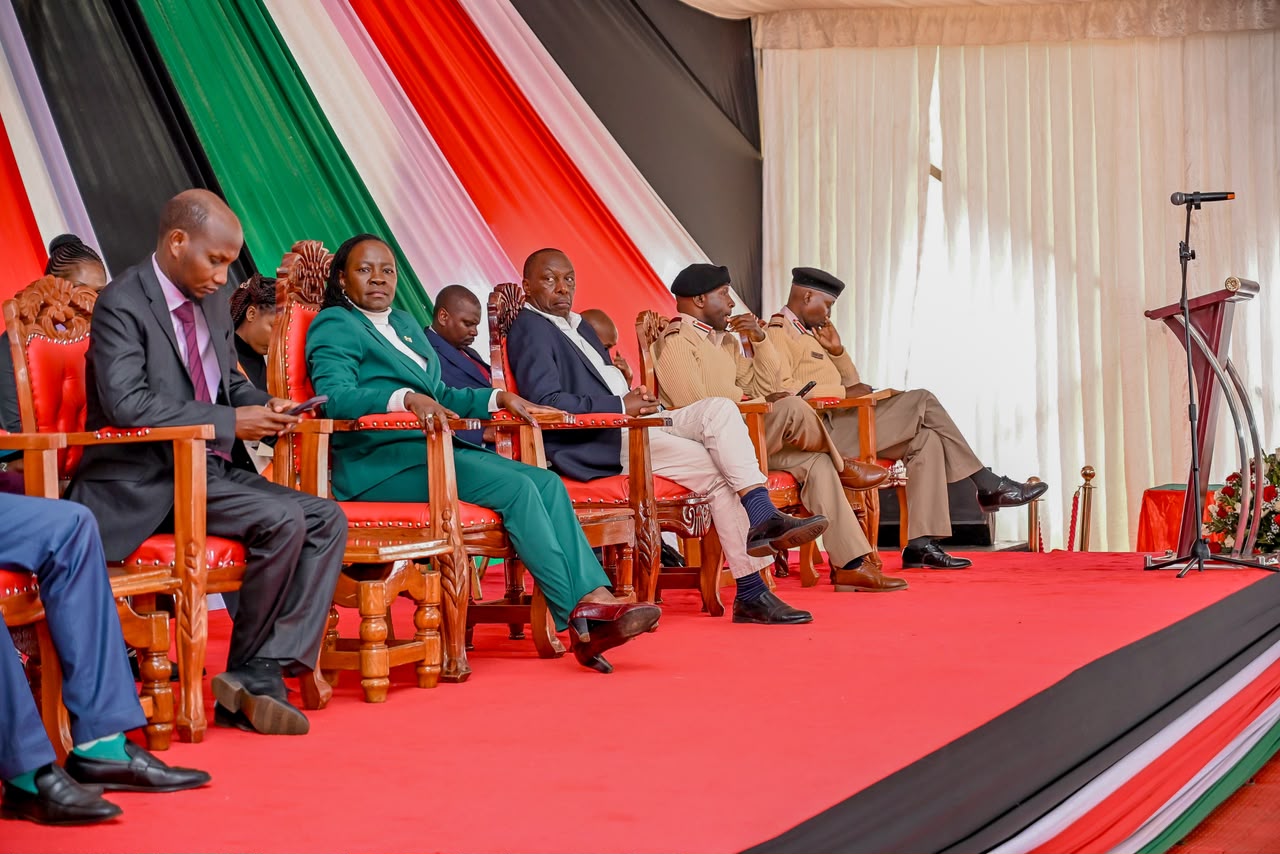
The call was made by KNQA Director General/Chief Executive Officer, Dr. Alice Kande, during the Strategic NGAO & TVET Regional Consultative Forum held at Meru National Polytechnic. The forum brought together National Government Administrative Officers from Tharaka Nithi, Meru, Isiolo, Marsabit and Samburu counties alongside leaders from the State Department for Technical and Vocational Education and Training (SDTVET), TVET institutions and other stakeholders to strengthen collaboration in advancing access to quality technical and vocational education.
The forum was graced by the Principal Secretary, State Department for TVET, Dr. Esther Muoria, together with Principal Secretaries from the State Departments for Devolution and Forestry, senior government officials, Chief Principals of TVET institutions and members of the TVET marketing team.
Addressing participants, Dr. Kande lauded the ongoing transformation within the TVET sector, noting that the reforms being spearheaded by the Ministry of Education continue to expand opportunities for young people and workers across the country by making skills development more accessible, relevant and responsive to labour market needs.
She reiterated KNQA’s mandate of coordinating and overseeing qualifications across the country through the Kenya National Qualifications Framework (KNQF), ensuring that qualifications acquired through formal, non-formal and informal learning pathways are recognized, standardized and comparable. She noted that TVET remains a critical pillar of the KNQF, linking basic education, tertiary education, industry and professional training into a coherent qualifications system that promotes lifelong learning and career progression.
Driving Transformation in Skills Development
Dr. Kande highlighted three strategic reforms that KNQA is implementing to strengthen the country’s qualifications ecosystem and support Kenya’s industrialization agenda.
The first is the standardization, inclusivity and enhancement of TVET qualifications. She explained that KNQA is modernizing the Kenya National Qualifications Framework to accommodate modularized learning, micro-credentials and digital credentials, allowing learners to acquire competencies through flexible, short-term and industry-responsive programmes.
She further emphasized the role of the Kenya Credit Accumulation and Transfer System (KCATS), which enables learners to accumulate credits earned from completed modules and transfer them across learning institutions and qualifications. The system ensures that every learning achievement is recognized and contributes towards higher qualifications, reinforcing the message that TVET offers flexible progression pathways rather than terminal qualifications.
The second transformative initiative is the implementation of Recognition of Prior Learning (RPL), which enables individuals who have acquired skills through work experience or informal learning to have those competencies assessed, validated and certified. Dr. Kande noted that experienced artisans, mechanics, builders, technicians and other skilled workers can now obtain nationally recognized qualifications through accredited assessment centres without necessarily returning to conventional classrooms.
She observed that RPL is opening new opportunities for thousands of skilled Kenyans by improving employability, supporting career advancement and providing formal recognition for competencies developed over many years of practical experience.
The third reform focuses on safeguarding the integrity of qualifications and protecting learners from unrecognized certifications. Dr. Kande explained that KNQA maintains the National Qualifications Database, which serves as the country’s authoritative repository of recognized qualifications, registered Qualification Awarding Bodies and verified learner records.
She urged prospective students and parents to verify that institutions are accredited by the Technical and Vocational Education and Training Authority (TVETA) and that qualifications awarded are issued by legally recognized Qualification Awarding Bodies registered with KNQA before enrolling in any programme.
NGAOs as Catalysts for Community Awareness
Recognizing the extensive reach of National Government Administrative Officers within communities, Dr. Kande called upon NGAOs to support government efforts by promoting awareness of TVET opportunities and skills recognition initiatives during public engagements and community forums.
She encouraged administrators to champion TVET as a viable pathway to decent work, entrepreneurship, skills acquisition, and professional growth while helping communities understand the opportunities presented by Recognition of Prior Learning and modular learning under the Kenya Credit Accumulation and Transfer System.

She further appealed to NGAOs to sensitize parents, youth and local communities on the importance of enrolling in accredited institutions offering recognized qualifications, noting that informed choices are essential in protecting learners from fraudulent or unrecognized training programmes.
Advancing an Inclusive Qualifications System
Dr. Kande assured the participants of KNQA’s commitment to working closely with national and county government institutions, TVET providers, industry and development partners to strengthen Kenya’s qualifications ecosystem and ensure that no learner is left behind.
She observed that collaboration with administrators at the grassroots level is essential in expanding public awareness, promoting lifelong learning and ensuring that all Kenyans, regardless of where or how they acquired their skills, have access to credible qualifications that enhance mobility, employability and lifelong career progression.
The Strategic NGAO & TVET Regional Consultative Forum is a critical venture that shows the Government’s commitment to strengthening coordination among key institutions responsible for education, training and public administration. Through such partnerships, KNQA continues to advance an inclusive and future-ready qualifications system that recognizes every learner’s potential and contributes to the realization of Kenya’s national development agenda.