Nairobi | September 30, 2026: The Kenya National Qualifications Authority (KNQA) has engaged the Public Service Commission (PSC) to strengthen collaboration on qualifications verification and promote greater integrity in public service recruitment.
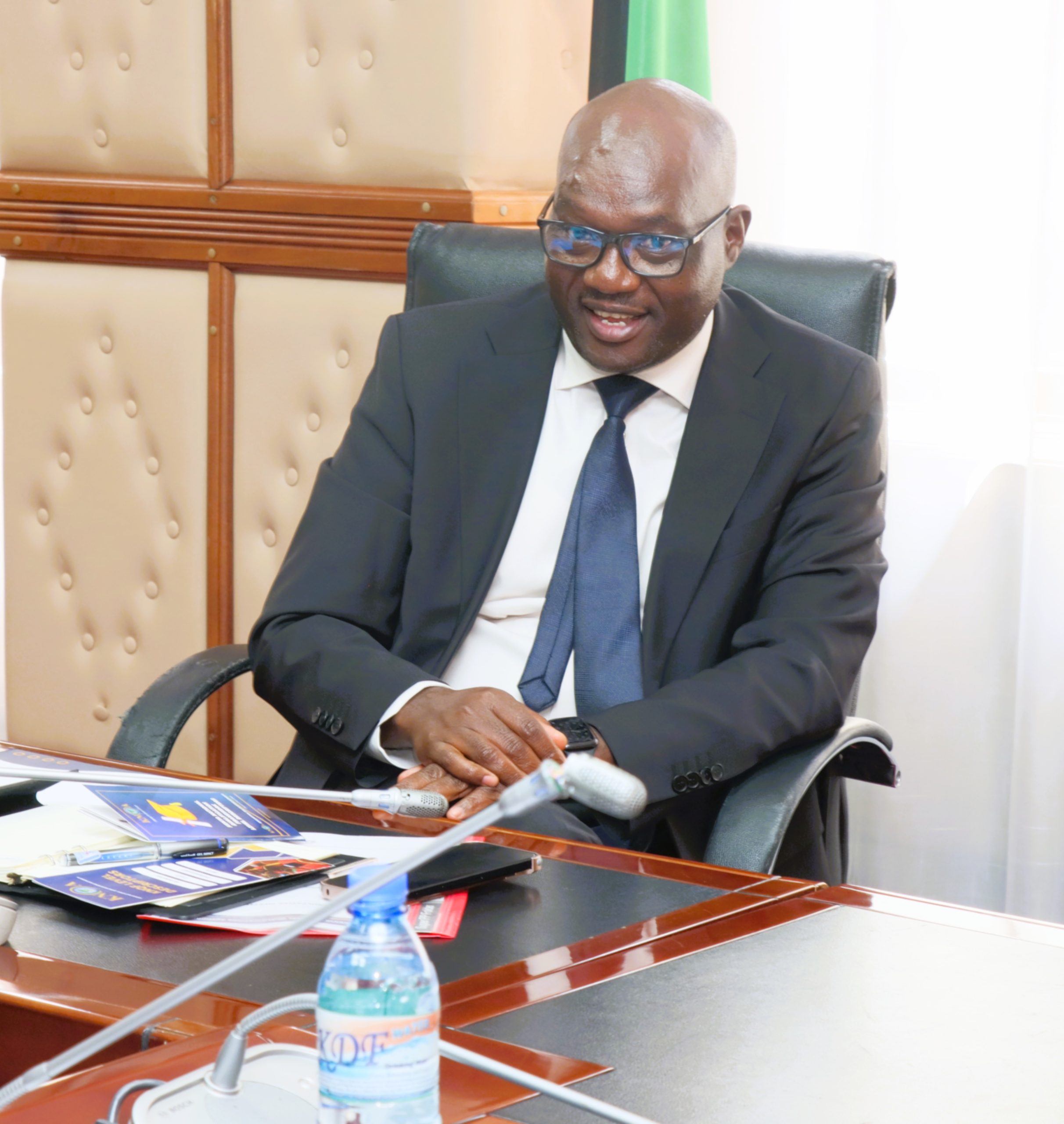
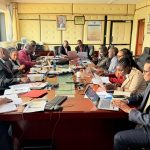
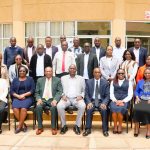
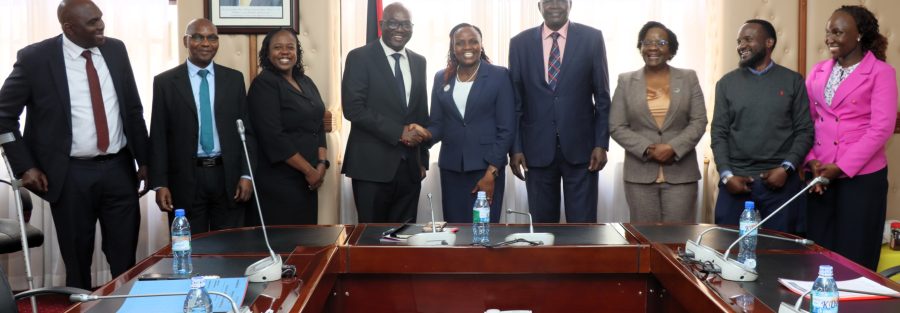
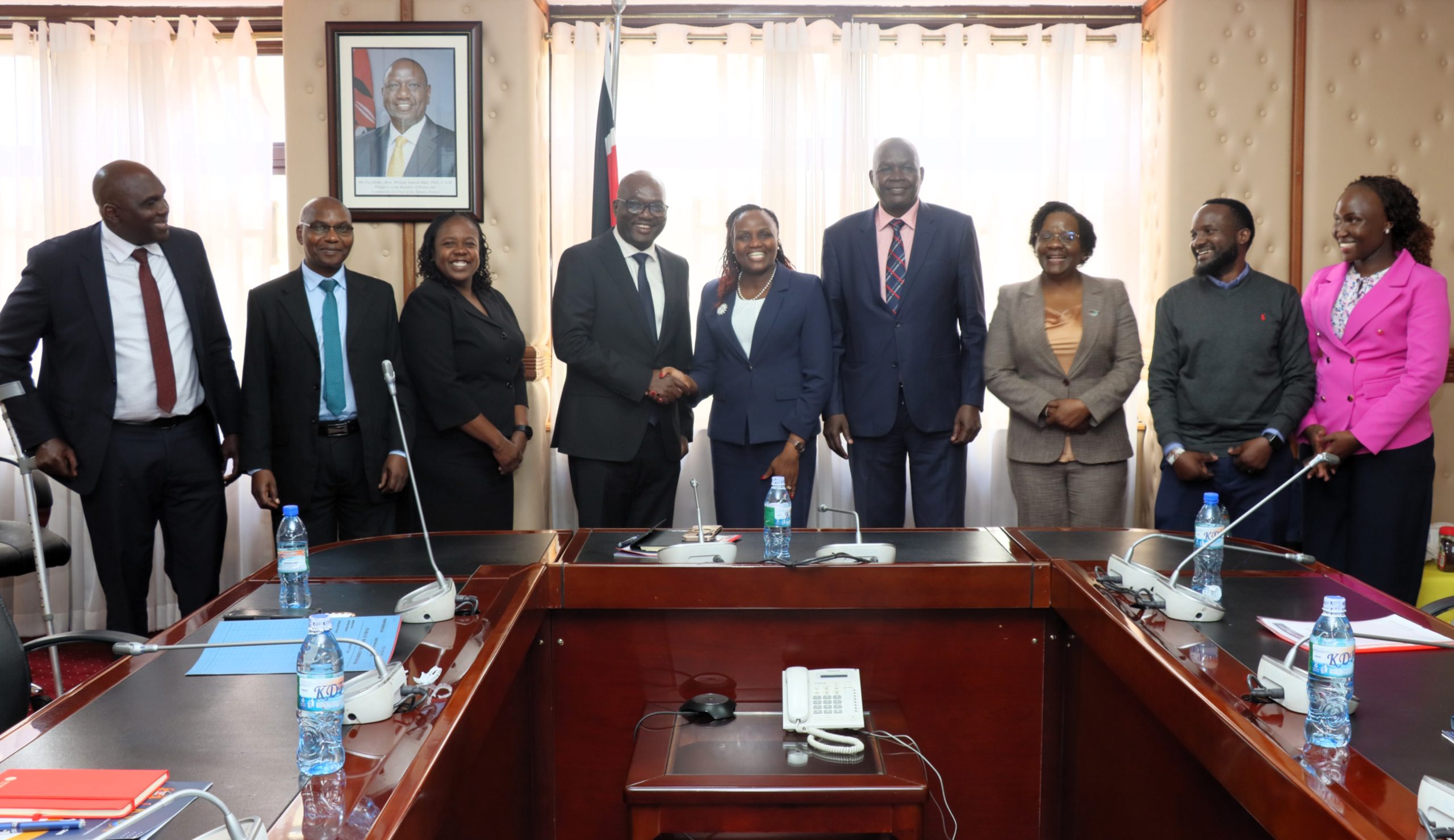
A KNQA delegation led by Council Chair, Hon. Stanley Kiptis, and Director General/CEO, Dr. Alice Kande, paid a courtesy call to the PSC, where they held discussions with a team led by Commission Secretary/CEO, Mr. Paul Famba.
The engagement provided an opportunity for KNQA to brief the Commission on its mandate, institutional structure and role in harmonising Kenya’s education and training sector. Hon. Kiptis outlined the mandate of KNQA and highlighted the multi-agency composition of the Authority’s Governing Council, which brings together stakeholders from across the education and training sector.
Dr. Kande took the PSC team through qualifications progression pathways and their contribution to national development, as well as the range of services provided by KNQA in promoting an orderly and credible qualifications system.
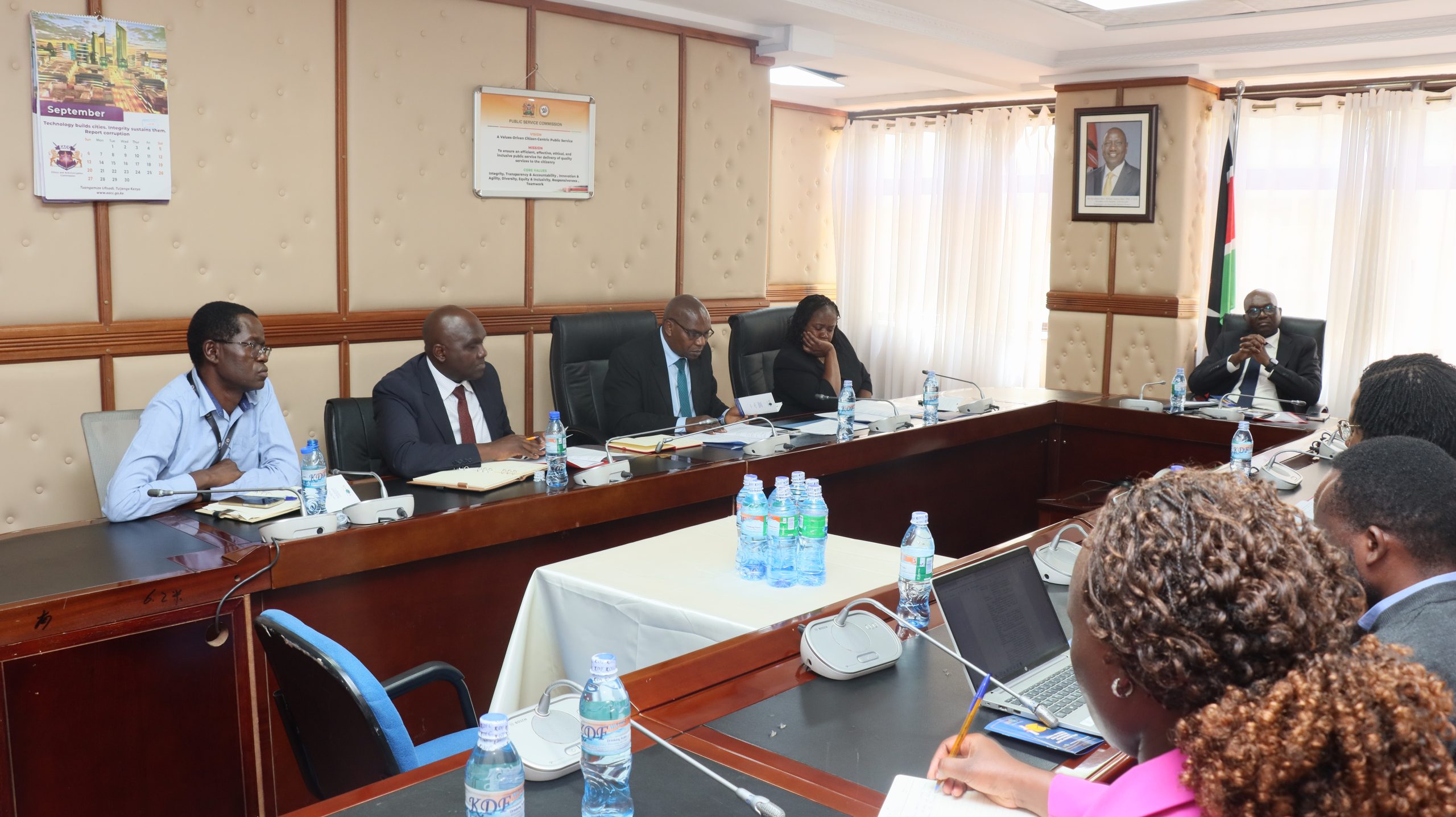
She also explained KNQA’s relationship with education and training sub-sector regulators and how the Authority works with these institutions to strengthen the integrity of qualifications. The DG/CEO further highlighted KNQA’s engagement with regional and international qualifications frameworks, including the African Continental Qualifications Framework (ACQF), in supporting the verification and recognition of foreign qualifications.
A key focus of the engagement was the National Qualifications Database (NQD) and its potential application in public service recruitment and qualifications verification.
The Commission Secretary/CEO, Mr. Famba, noted the significance of the NQD in supporting the Commission’s recruitment functions and expressed interest in closer collaboration with KNQA to facilitate efficient verification of academic qualifications.
KNQA called on the Commission to identify with the NQD as a one-stop destination for qualifications verification, noting its potential to strengthen the integrity of recruitment processes by providing a reliable mechanism for verifying qualifications presented by applicants.
The NQD is expected to contribute to addressing cases of irregular qualifications and fraudulent certificates by supporting verification of qualifications and ensuring that qualifications presented for employment correspond with qualifications legitimately earned.
The discussions further highlighted the importance of ensuring that opportunities in the public service are accessed by individuals with verified qualifications and competencies, supporting fairness in recruitment and contributing to a more productive workforce.
The PSC expressed its support for KNQA’s efforts to operationalise the NQD and facilitate faster verification of academic qualifications in public service recruitment processes.
Mr. Famba emphasised the need for inter-governmental collaboration and systems integration to make qualifications verification more efficient for public institutions. He also urged KNQA to prioritise the uploading of qualifications and graduate records for the employable-age population on the NQD, while progressively incorporating historical records.
The engagement is an important step towards strengthening collaboration between KNQA and PSC in leveraging technology and national qualifications data to support efficient, transparent, robust and credible qualifications verification. Through continued collaboration, the two institutions seek to contribute to a qualifications and recruitment ecosystem where verified qualifications, merit and integrity underpin access to employment opportunities in the public service.