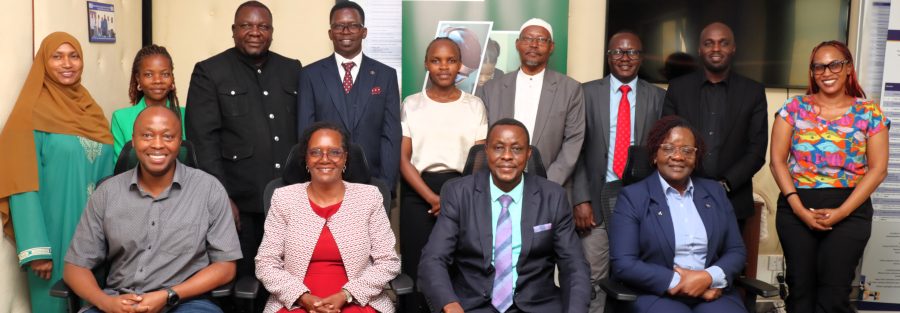
Nairobi | 11 November 2026: The Kenya National Qualifications Authority (KNQA) held an engagement meeting with the Association of Religion Practitioners Professionals (AREPP) to explore opportunities for collaboration in strengthening professional standards, qualifications recognition and continuous professional development in religious practice.
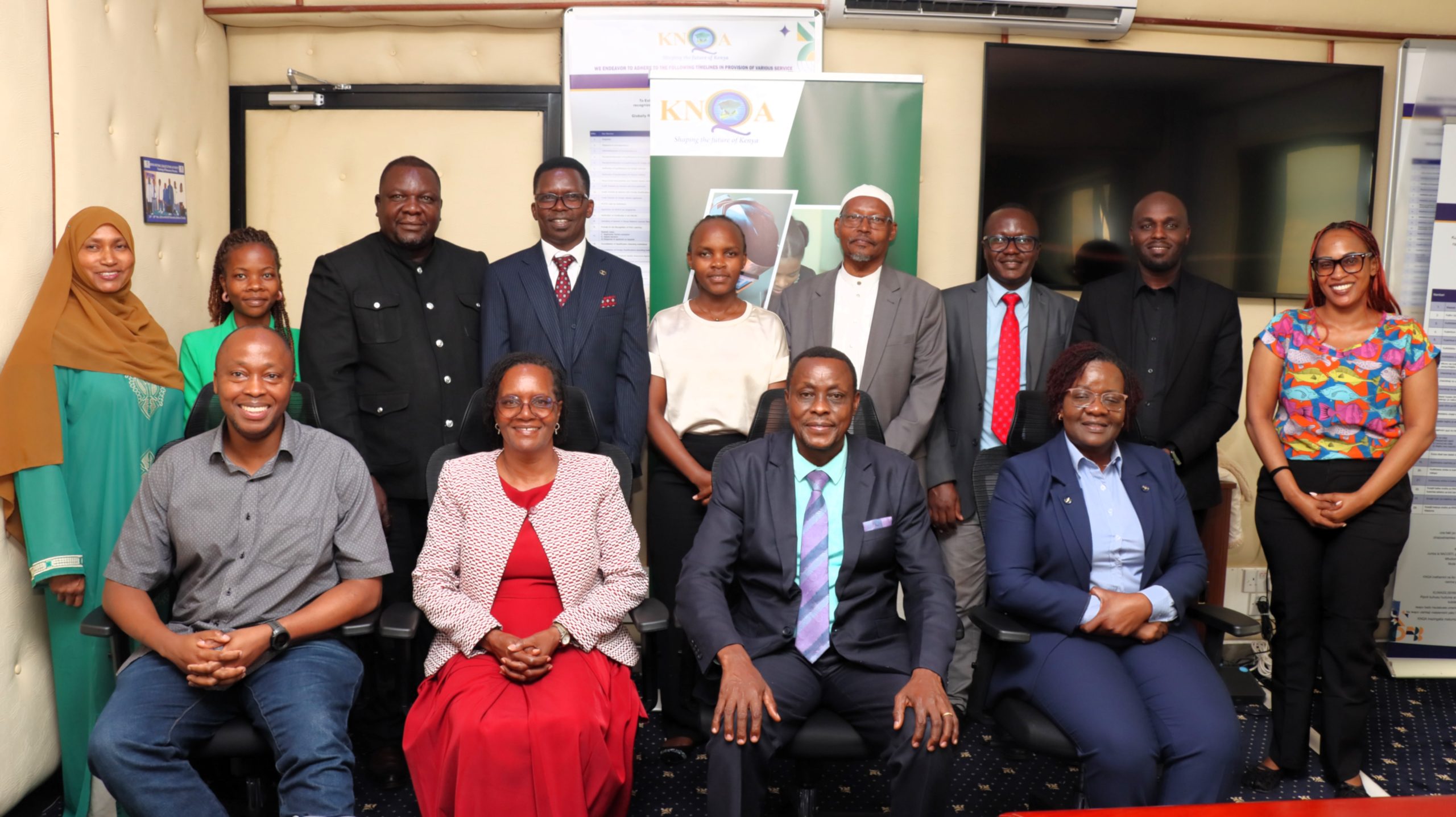
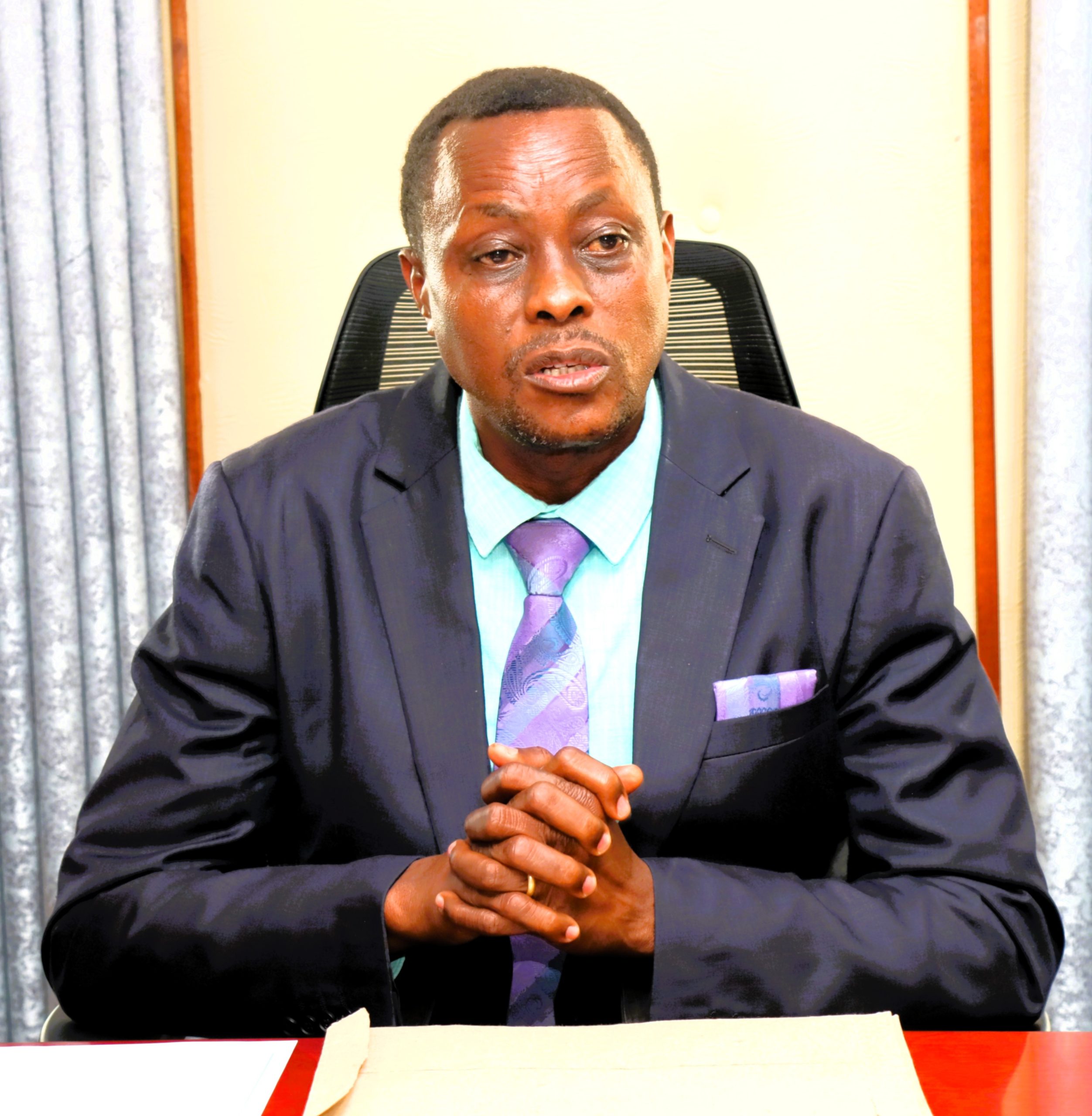
The meeting, held at the KNQA offices, had the Authority’s team led by Director of Legal Services, Dr Victor Nzomo, and Director of Research & Policy, Dr Winnie Bulimo, hold a productive session with AREPP delegation led by Dr Ezekiel Muendo.
Discussions centred on the requirements and processes for registering AREPP as a professional organisation, with the Association seeking guidance on the applicable regulatory provisions and documentation required for formal recognition.
The meeting also explored opportunities for strengthening Continuous Professional Development (CPD) among religious practitioners, including guidance on the recognition and quality assurance of CPD programmes and the development of appropriate mechanisms for professional learning and renewal.
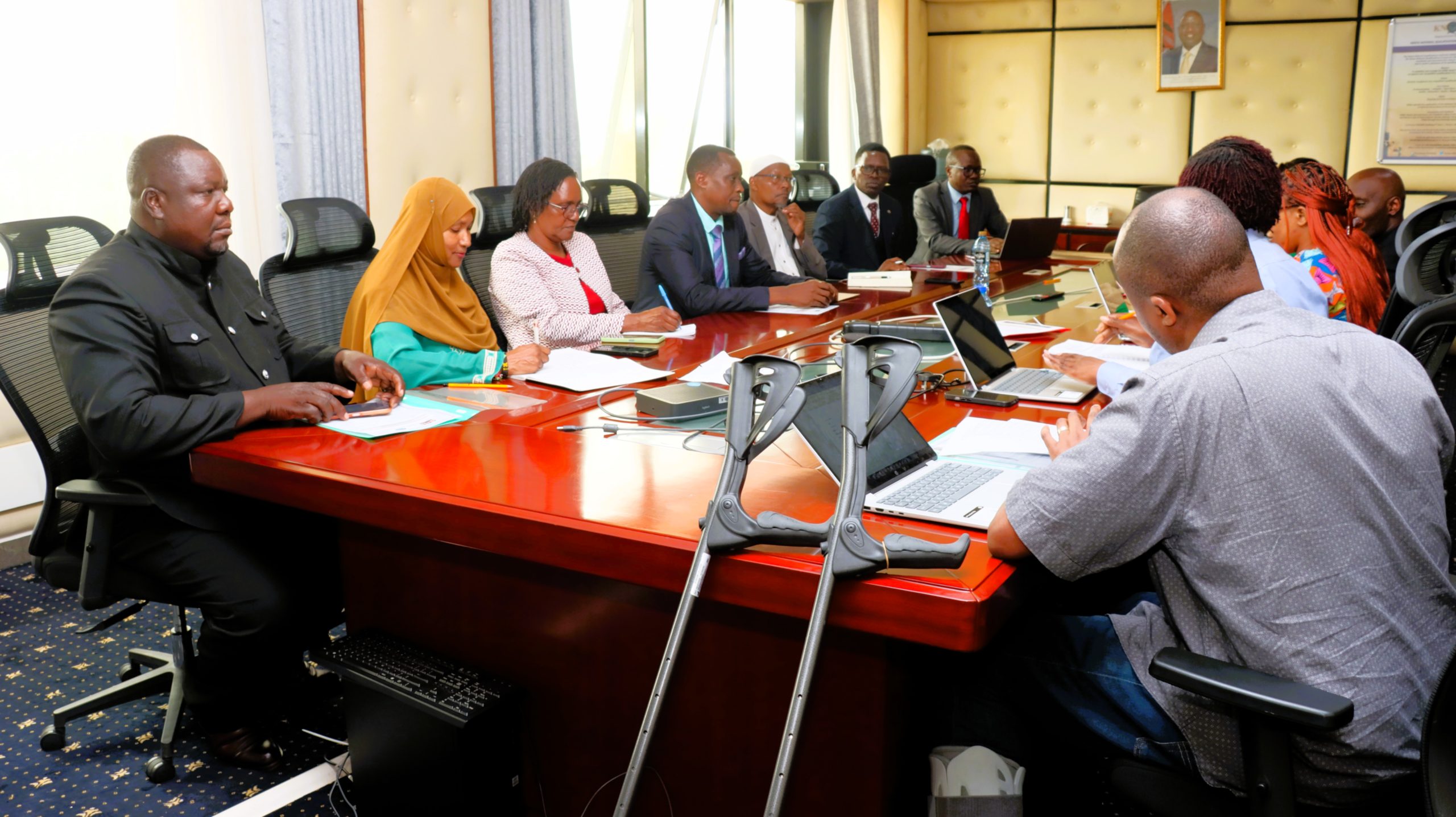
A key area of discussion was the application of Recognition of Prior Learning (RPL) to religious practice. The engagement considered how competencies and experience acquired through religious service and practice could be assessed and recognised, creating opportunities for practitioners to access relevant qualifications and advance their professional development.
AREPP also sought KNQA’s assistance in exploring pathways towards the formal recognition of religious qualifications and expanding relevant qualifications within the Kenya National Qualifications Framework (KNQF). This would support the development of structured learning and professional pathways that respond to the diverse competencies and requirements within religious practice.
The discussions highlighted the importance of appropriate standards, quality assurance and recognition mechanisms in promoting professional competence, ethical practice and public confidence in the religious profession.
Both parties called for sustained engagement and collaboration in areas of mutual interest, including research, joint capacity-building initiatives and the development of relevant frameworks to support the professionalisation of religious practice in Kenya.
The engagement is part of KNQA’s commitment to working with professional bodies and stakeholders across different sectors to promote credible qualifications, recognise diverse forms of learning and strengthen the implementation of the KNQF. Through such partnerships, the Authority continues to advance a qualifications system that supports lifelong learning, professional development and the recognition of competencies acquired through formal, non-formal and informal learning.