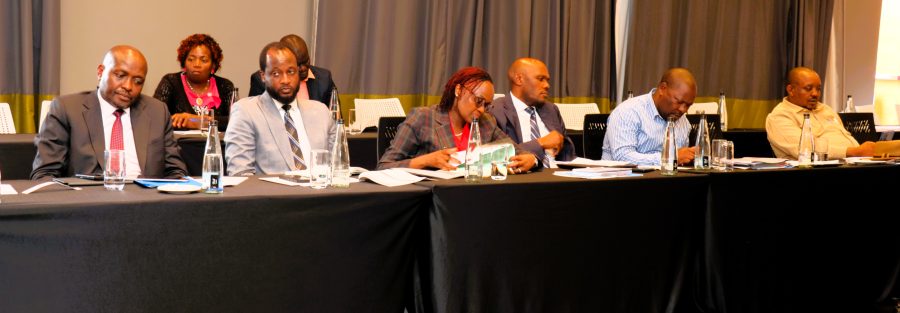
Nairobi | 29 October 2026: The Kenya National Qualifications Authority (KNQA) has presented proposals to strengthen the legal and regulatory framework governing qualifications in Kenya during stakeholder engagement with the National Assembly Departmental Committee on Education.
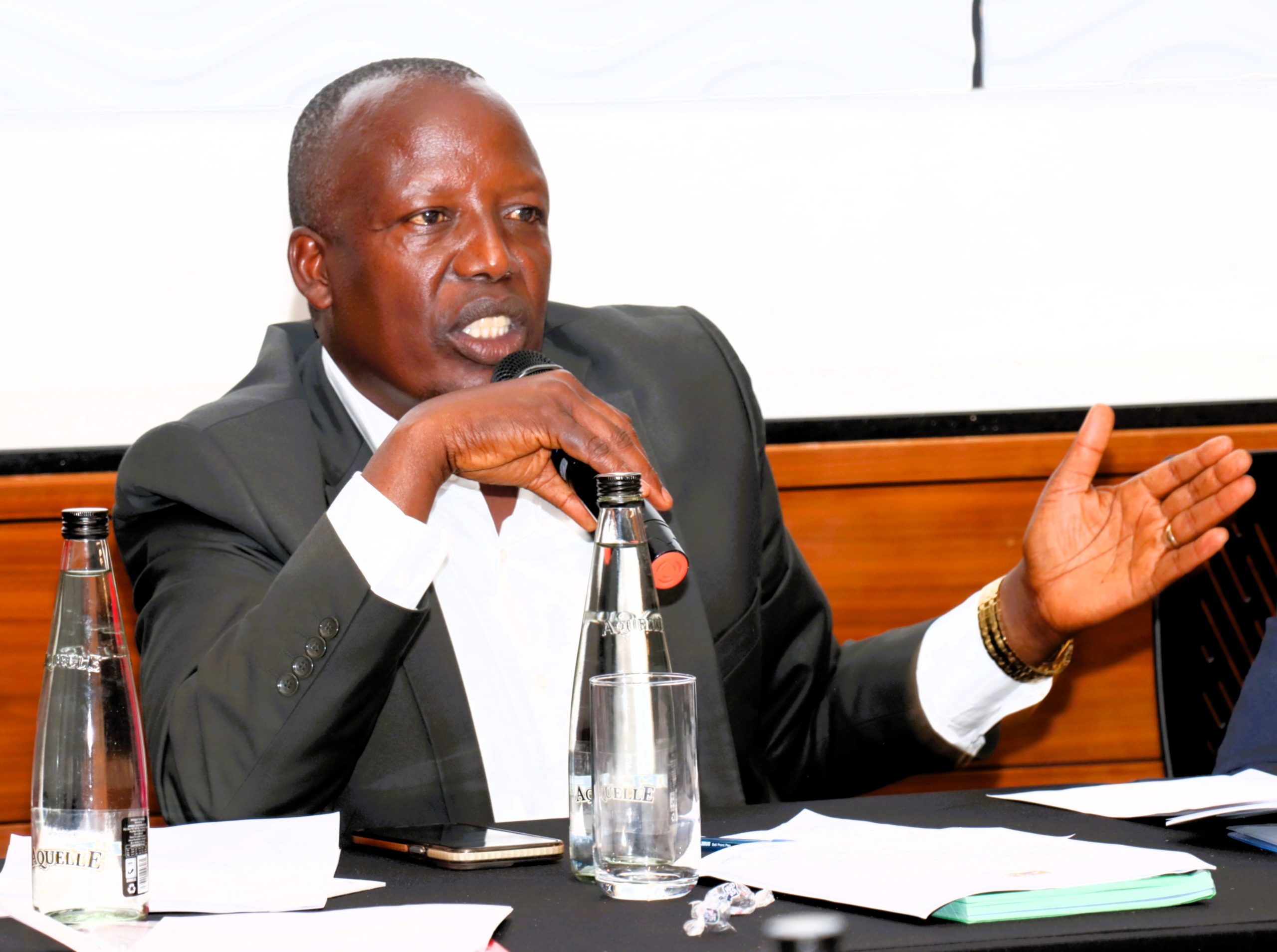
The KNQA Director General/CEO, Dr Alice Kande, accompanied by the Legal Services Director, Dr Victor Nzomo, HSC, appeared before the Committee during Phase One of stakeholder engagement on seven Education Sector Bills. The exercise followed public participation forums conducted across all 47 counties and brought together umbrella bodies representing government agencies, non-governmental organisations and the Ministry of Education to provide further views and expert input on the proposed legislation.
During the engagement, KNQA presented its memorandum on the Kenya National Qualifications Framework (KNQF) (Amendment) Bill, 2026, outlining proposals to address gaps in the existing legal framework and strengthen the Authority’s capacity to regulate qualifications and promote compliance.
The proposals focus on enhancing the registration of Qualification Awarding Bodies (QABs) and qualifications, clarifying the mandates of institutions authorised to award national qualifications, strengthening compliance monitoring and improving the management of the National Qualifications Database (NQD).

KNQA also proposed stronger enforcement measures to promote compliance with the applicable legal and regulatory requirements. The proposed measures seek to safeguard the integrity of academic and professional qualifications, strengthen accountability among awarding institutions and enhance public confidence in Kenya’s qualifications system.
The Authority’s submissions further emphasised the importance of strengthening the implementation of the KNQF Act and the Kenya National Qualifications Framework (General) Regulations, 2025, particularly regarding the registration of awarding bodies and qualifications and the systematic documentation of qualifications through the NQD.
The stakeholder engagement provides an opportunity for the Committee to consolidate views gathered during county-level public participation forums and obtain further recommendations from institutions and organisations directly involved in the education sector. The Committee will use the submissions to inform its final report and guide the legislative process.

KNQA’s participation is critical to its commitment to constructive engagement with Parliament and other stakeholders in advancing legislative reforms that support a transparent, accountable, inclusive, and enforceable qualifications system.
The proposed amendments are intended to strengthen qualifications regulation, protect the value of legitimate credentials and advance Kenya’s ambition of establishing a credible, quality-assured and globally recognised qualifications framework. The proposals remain subject to Parliament’s consideration and approval.