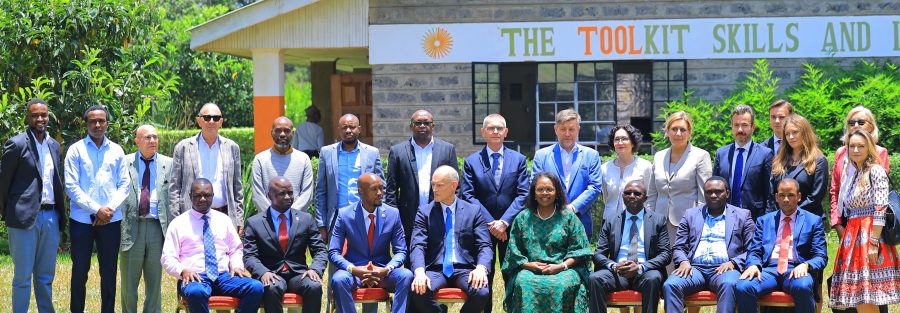
Kikuyu | 1 October 2026: The Kenya National Qualifications Authority (KNQA) has reaffirmed its commitment to promoting quality-assured skills, recognition of competencies and labour mobility during the official visit of the Polish Under Secretary of State for Foreign Affairs, Mr. Wojciech Zajączkowski, to the Toolkit Foundation Skills & Innovation Hub in Kikuyu.
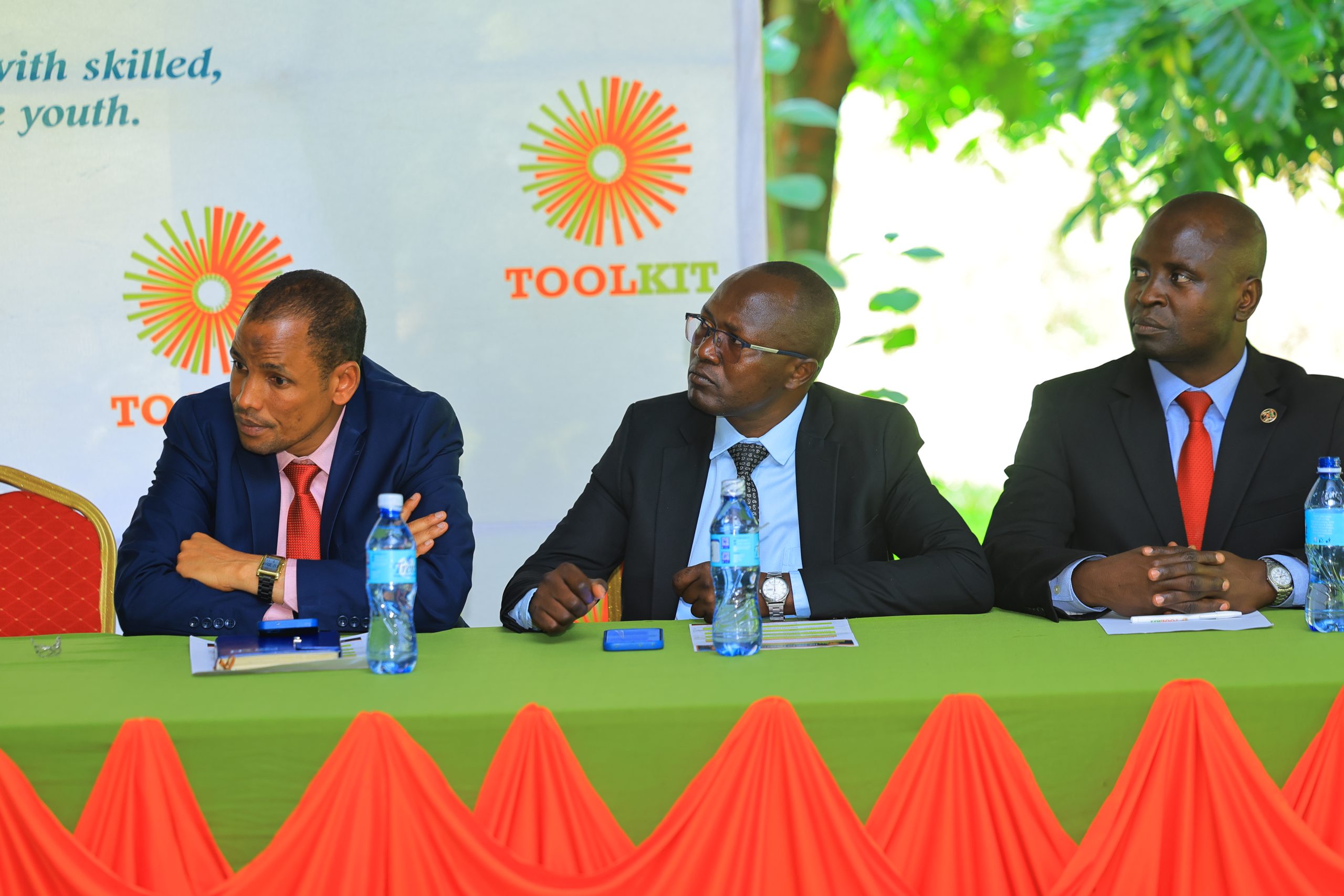
The visit brought together representatives of the Polish delegation, the Toolkit Foundation, the Technical and Vocational Education and Training Authority (TVETA), the Kenya Private Sector Alliance (KEPSA), Nairobi City County and other partners to explore opportunities in skills development, innovation, youth empowerment and labour mobility.
KNQA was represented by Deputy Director for Strategy, Planning and Performance Management, Mr. Kipruto K. Tallam, on behalf of the Director General/CEO, Dr. Alice Kande.
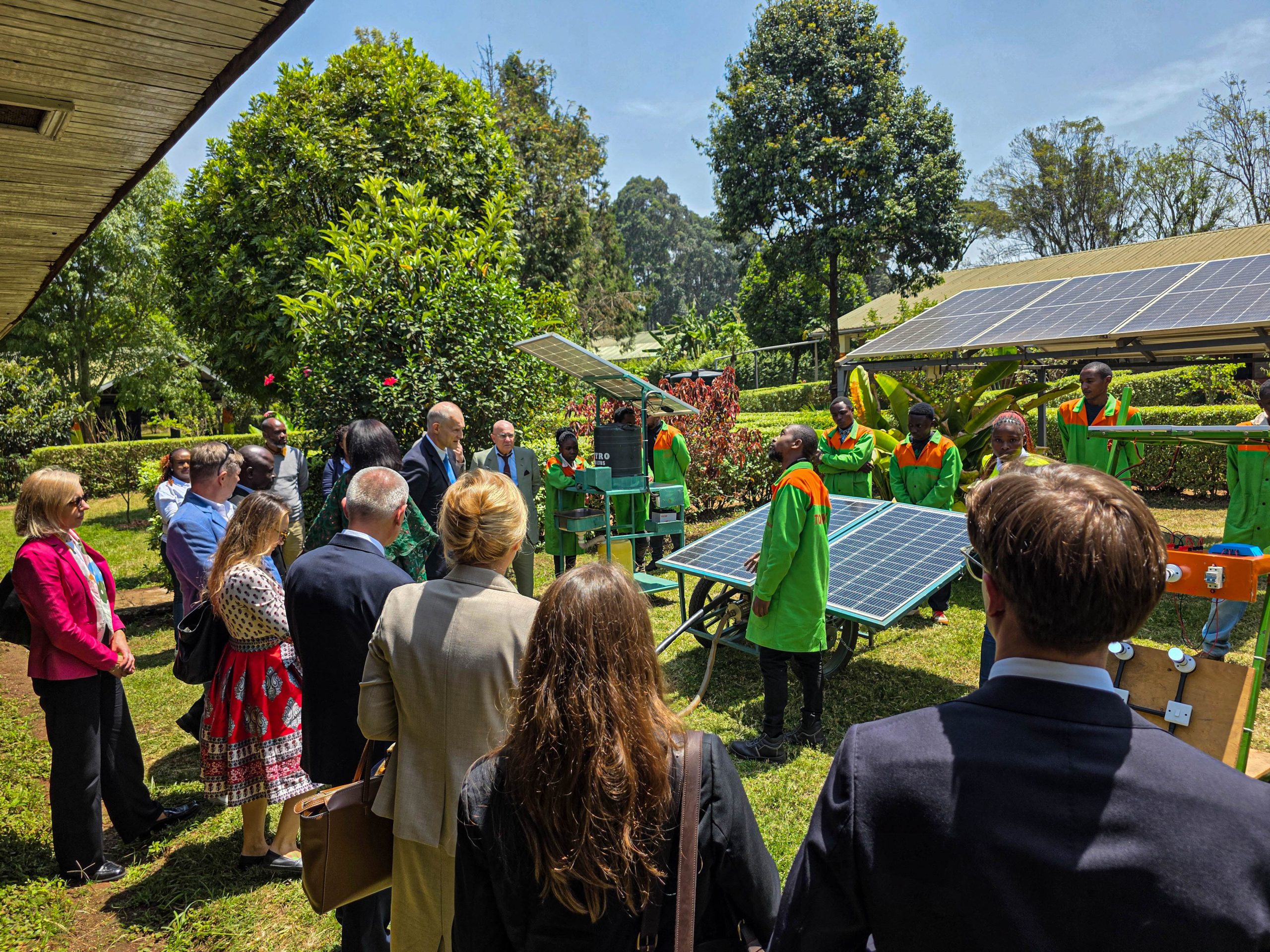
During the engagement, the delegation toured the Hub and witnessed practical demonstrations in solar technology, welding and other skills areas, showcasing how hands-on, technology-enabled training can connect learning with real-world competencies and employment opportunities. The programme also featured a presentation by Mr. Radosław Gałka, Founder and CEO of Dig In Vision, on the application of virtual reality technology in training.
In his remarks on behalf of the Director General/CEO, Mr. Tallam highlighted the importance of a credible and quality-assured national qualifications system in developing skilled, competent and productive human capital. He highlighted KNQA’s mandate to ensure that qualifications are appropriately aligned, recognised and trusted, while supporting pathways for learners and workers to progress and participate meaningfully in the labour market.
He noted that practical training initiatives such as those demonstrated at the Hub are particularly important in equipping young people with relevant skills for emerging opportunities both locally and internationally.
The engagement highlighted the importance of collaboration among qualifications authorities, training providers, regulators and the private sector in ensuring that skills acquired through practical and non-traditional learning pathways are recognised and trusted.
Such collaboration presents opportunities to strengthen the alignment of training outcomes with the Kenya National Qualifications Framework (KNQF), promote the recognition of competencies, and support quality-assured pathways for skills development.
The discussions also included the role of credible qualifications in facilitating the mobility of skilled workers across national borders. As labour markets become increasingly interconnected, the recognition of qualifications and competencies remains important in enabling workers to access opportunities beyond their countries of training.
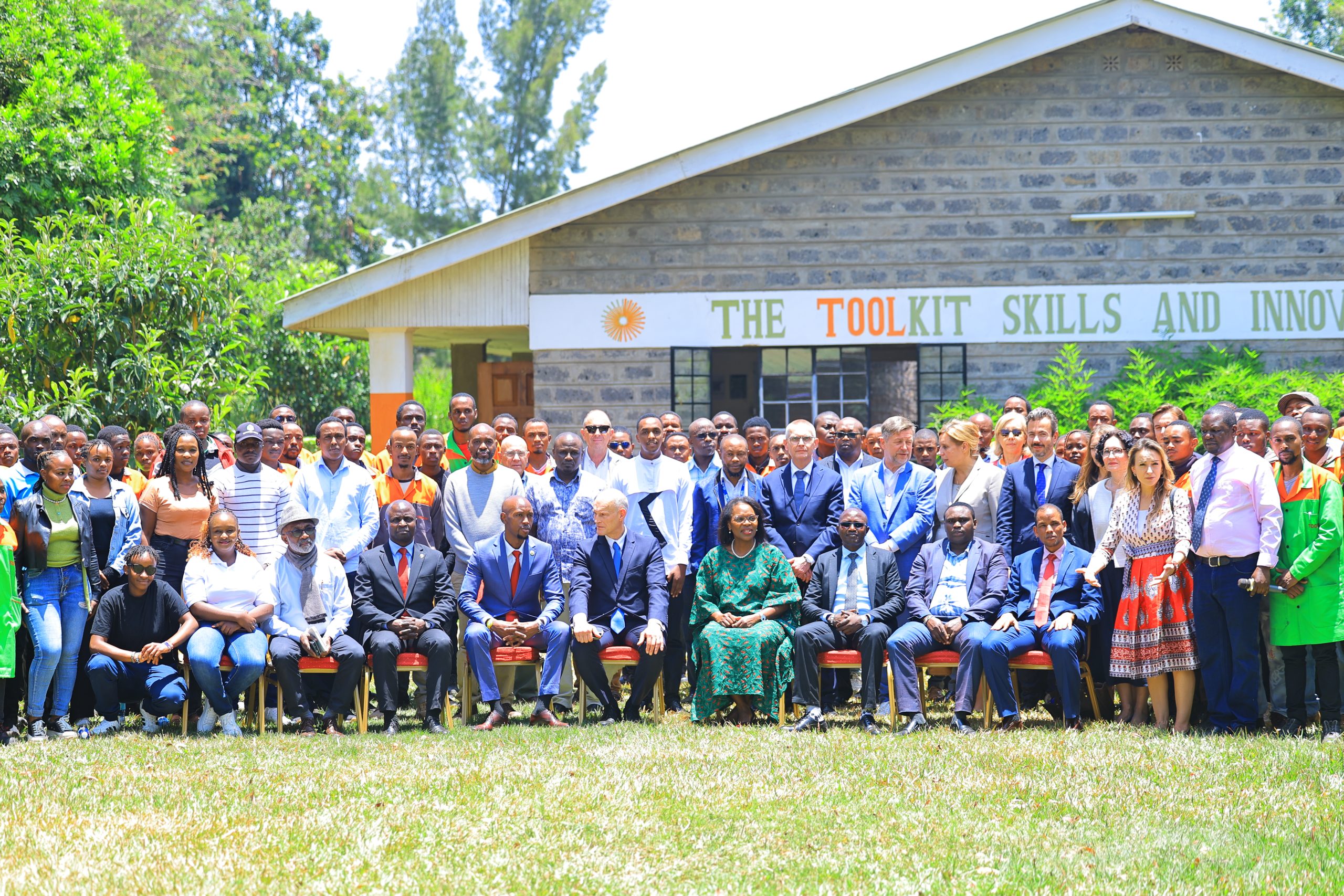
KNQA expressed its commitment to continued collaboration with the Toolkit Foundation, TVETA, KEPSA and other stakeholders to advance quality-assured skills development and strengthen recognition mechanisms that support workforce mobility.
The visit provided a platform for dialogue on linking innovation and practical training with credible qualifications, reinforcing the importance of a coordinated approach to skills development, youth empowerment and employment.