


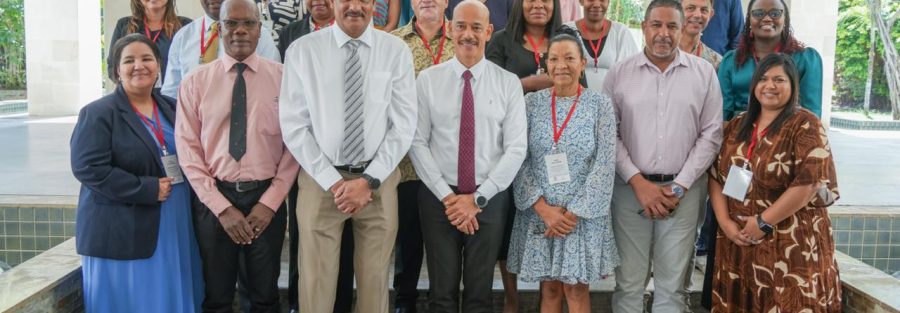
Mahé, Seychelles | 23–25 September 2026: The Kenya National Qualifications Authority (KNQA) Director General/CEO, Dr. Alice Kande, joined leaders of national qualifications frameworks in Africa at the joint SADC Qualifications Framework (SADCQF) Thematic Working Group and Forum of CEOs of Qualifications Authorities held in Mahé, Seychelles. The session helped strengthen Kenya’s contribution to regional dialogue on qualifications recognition, mobility and trust.
The three-day forum, hosted by the Seychelles Qualifications Authority (SQA) from 23rd to 25th September 2026, brought together leaders and delegates from national qualifications authorities across the SADC region and regional partners to deliberate on advancing trust and comparability in qualifications and qualifications frameworks.
Held under the theme of “Advancing Trust and Comparability in Qualifications and Qualifications Frameworks in the SADC Region,” the forum provided a platform for qualifications authorities to exchange experiences and explore practical approaches to strengthening interoperability and verification of qualifications across borders.
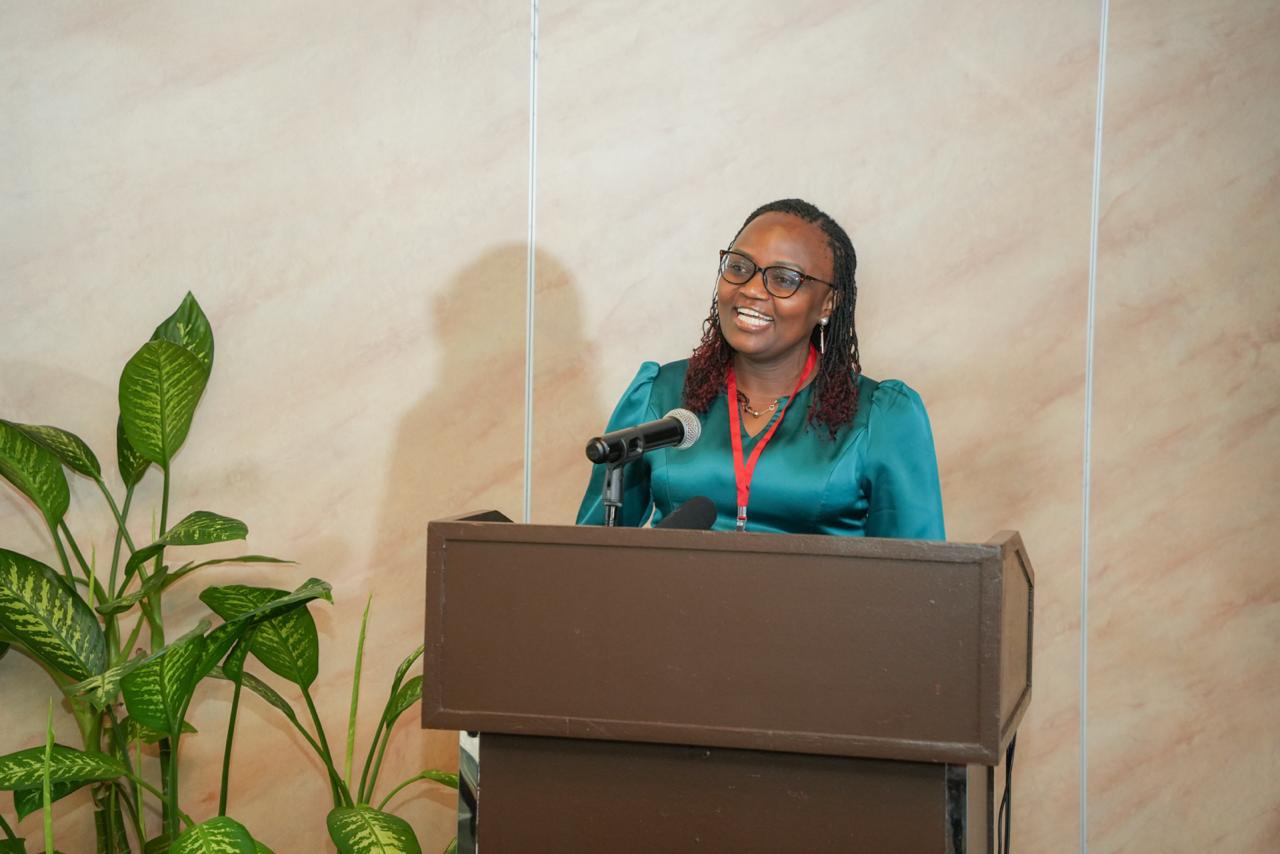
Dr. Kande delivered a keynote address on “Innovation in Recognition of Prior Learning (RPL) and the Kenya Experience” during the opening day of the forum. The session was dedicated to innovation in RPL and regional referencing, bringing together country experiences on how prior learning can be recognised within national qualifications systems.

In sharing Kenya’s experience, Dr. Kande highlighted the transformative role of RPL in recognising learning acquired outside formal education and training pathways. RPL provides a mechanism through which skills and competencies acquired through work, informal learning and other non-formal settings can be assessed and formally recognised.
According to Dr. Kande, innovation in RPL contributes to aligning non-formal and informal learning with formal education systems, enabling workers to have their skills formally recognised and strengthening their opportunities for employability and progress.
The forum programme also featured country presentations and plenary discussions on innovation and flexibility in the recognition of prior learning across the region, alongside discussions on referencing to the SADC Qualifications Framework and lessons from African Continental Qualifications Framework (ACQF) referencing processes.
Dr. Kande also facilitated a session on “Strengthening Trust and Comparability in Qualifications Frameworks,” which highlighted the importance of mutual confidence in qualifications systems as countries seek to facilitate the movement of learners and workers across borders.
The discussions emphasised that stronger qualifications frameworks can contribute to greater interoperability and more effective verification and recognition of qualifications across jurisdictions.
At the regional level, strengthened trust and comparability can support learner and labour mobility, enabling qualifications to be better understood and recognised across national boundaries.
The forum subsequently explored these issues further through discussions on recognition systems, interoperability and mobility of learners and workers, as well as the operationalisation of the SADC Qualifications Verification Network (QVN) and regional experiences in the automated evaluation of certificates.
The discussions at the forum also placed national and regional qualifications initiatives within the broader continental agenda for qualifications recognition.
Dr. Kande noted that strengthening national qualifications systems, innovating in RPL and building trust and comparability across qualifications frameworks contribute to a wider continental objective: enabling African qualifications to connect more effectively across countries and with global markets.
The forum’s agenda reflected this broader regional and continental focus, with thematic working groups addressing RPL; referencing and alignment; recognition and mutual trust; digitalisation and interoperability; qualifications verification; quality assurance and capacity development; and research, monitoring and emerging trends.
These areas are central to building qualifications systems that are responsive to changing labour markets while supporting lifelong learning, skills recognition and mobility.
Reflecting on the engagements, Dr. Kande described the collective work of qualifications authorities as contributing to a “unified, continental currency of trust” for Africa’s workforce.
She expressed appreciation to the SADC Secretariat for the invitation and to the Seychelles Qualifications Authority for hosting the forum and extending warm hospitality to participating delegations.
The forum brought together leaders and delegates from qualifications authorities including Seychelles Qualifications Authority (SQA), South African Qualifications Authority (SAQA), Zambia Qualifications Authority (ZAQA), Eswatini Qualifications Authority (EQA), and Namibia Qualifications Authority (NQA), alongside the SADC Secretariat and other regional partners.
Participation in such forums reinforces Kenya’s engagement in regional and continental efforts to strengthen qualifications recognition, facilitate mobility, share knowledge and experiences, and promote confidence in qualifications systems.
As African countries continue to strengthen their qualifications frameworks, collaboration among national qualifications authorities remains critical to creating systems in which qualifications can be trusted, understood, verified and recognised across borders.